Solar Technicians Near Me: Solar Panel Installation for Small Businesses
Solar Power Installation: Renewable Energy Systems Harness Sunshine To Generate Clean Electricity For Residences And Services
History and Development of Solar Panels
Have you ever stopped to question how a simple piece of innovation turned sunlight into electricity? The journey of solar panels is absolutely nothing short of a modern-day epic, woven with moments of curiosity, development, and a dash of serendipity. It was back in 1839 when Edmond Becquerel, a young French physicist, discovered that specific materials produced little electric currents when exposed to light. This discovery planted the seed for what would ultimately end up being the photovoltaic transformation.
Early Milestones in Solar Innovation
- 1876: William Grylls Adams and his student Richard Evans Day showed that selenium could produce electrical energy from light, a precursor to modern-day solar cells.
- 1954: Bell Laboratories revealed the first useful silicon solar cell, which converted sunlight to electrical power at about 6% performance.
- 1960s: Solar panels found a specific niche in powering satellites, showing their worth in area expedition.
Isn't it interesting how something designed for orbit eventually found its way to roofs worldwide? The trajectory of photovoltaic panels from experimental curiosities to reputable energy sources mirrors the more comprehensive dance of human resourcefulness and environmental awareness.
Key Advancement That Shaped Solar Panels
| Year | Innovation | Effect |
|---|---|---|
| 1970s | Thin-film solar cells introduced | Minimized material expenses, increased flexibility |
| 1980s | Improvements in silicon pureness | Enhanced efficiency and lifespan |
| 2000s | Advancement of multi-junction cells | Enhanced energy conversion rates significantly |
Reflect for a moment: how did these incremental improvements modify the landscape of renewable resource? By continually pressing borders, solar innovation changed from a specific niche innovation into a global powerhouse. The effectiveness and affordability of solar panels surged, sparking a wave of adoption that seemed impossible just a few decades before.
Personal Insight: A Sunlit Epiphany
I remember checking out a small rural town where the setup of photovoltaic panels sparked an extensive change. Children studied under intense LED lights powered entirely by the sun. It struck me-- this innovation didn't just transform photons; it transformed hope into concrete progress. Isn't that the supreme power of solar energy?
In the grand tapestry of energy history, photovoltaic panels stick out as a beacon-- a testimony to human resolve and the unrelenting pursuit of cleaner, sustainable futures. From the curious experiments of 19th-century scientists to the sleek, effective ranges we see today, the story of solar panels reminds us that sometimes, the brightest concepts start with an easy ray of light.
Revealing the Spectrum: Types of Solar Panel Technologies
Ever questioned why some photovoltaic panels shine like glass while others look like dark, matte tiles? The secret lies deep in their technology. From crystalline silicon to thin films, solar panels been available in a variety of designs, each with its quirks and performances.
Crystalline Silicon Panels: The Workhorse of Solar
Monocrystalline and polycrystalline panels control the landscape. Monocrystalline, made from a single silicon crystal, uses the highest efficiency rates-- in some cases surpassing 22%. However this comes at a cost: their manufacturing procedure is energy-intensive. Polycrystalline panels, on the other hand, are made from multiple silicon fragments melted together. They sport a particular speckled blue shade and normally fall a little behind in efficiency, hovering around 15-17%. Yet, they typically cost less upfront.
Think of setting up a monocrystalline selection on your rooftop; the streamlined black panels absorb the sun's rays like a sponge. But what if your roofing system's shape or shading isn't ideal? Polycrystalline panels might handle partial shading much better, a subtlety often neglected.
Thin-Film Solar Panels: Versatility Meets Development
Thin-film innovation departs from the large silicon wafers and instead layers photovoltaic material on substrates like glass, plastic, or metal. Cadmium telluride (CdTe) and copper indium gallium selenide (CIGARETTES) are popular thin-film products offering lightweight and flexible options.
- Thin-film panels tend to perform better in low-light or high-temperature environments.
- They're less effective total-- generally around 10-12%-- but their versatility can be a game-changer for non-traditional installations.
- Due to the fact that they're lighter, they're sometimes chosen for rooftops unable to support heavy loads.
Emerging Technologies and the Roadway Ahead

Perovskite solar batteries, often hailed as the next big leap, have stirred enjoyment for their potential to reach effectiveness equivalent to silicon panels however at a portion of the cost. Yet, their durability remains under examination, comparable to a promising novel whose ending is still unwritten.
Have you ever faced the aggravation of your solar output dipping all of a sudden? Often, the offender isn't dirt or shading however the panel's intrinsic reaction to temperature level fluctuations. For instance, crystalline silicon panels tend to lose effectiveness as temperatures soar, frequently by about 0.5% per degree Celsius above 25 ° C. Specialist Tips for Picking the Right Technology
- Examine your environment: Is your location prone to high heat or frequent cloud cover? Thin-film panels may beat silicon in these conditions.
- Think about setup restraints: Minimal roofing system area? Monocrystalline panels pack more power per square foot.
- Evaluate long-lasting resilience: Silicon panels have years of tested reliability, while brand-new innovations like perovskite are still proving their mettle.
- Element in looks and integration: Some house owners value the sleek black appearance of monocrystalline panels, while others prefer the less obtrusive thin-film options.
| Innovation | Normal Efficiency | Strengths | Considerations |
|---|---|---|---|
| Monocrystalline Silicon | 20-22% | High performance, streamlined look | Greater production energy, cost |
| Polycrystalline Silicon | 15-17% | Lower cost, simpler manufacturing | Less efficient, blue speckled look |
| Thin-Film (CdTe, CIGS) | 10-12% | Lightweight, versatile, excellent in shade | Lower effectiveness, much shorter lifespan |
| Perovskite (Emerging) | 15-20% (laboratory scale) | Potentially low cost, high performance | Stability and durability concerns |
Installation: The Unsung Hero of Solar Performance
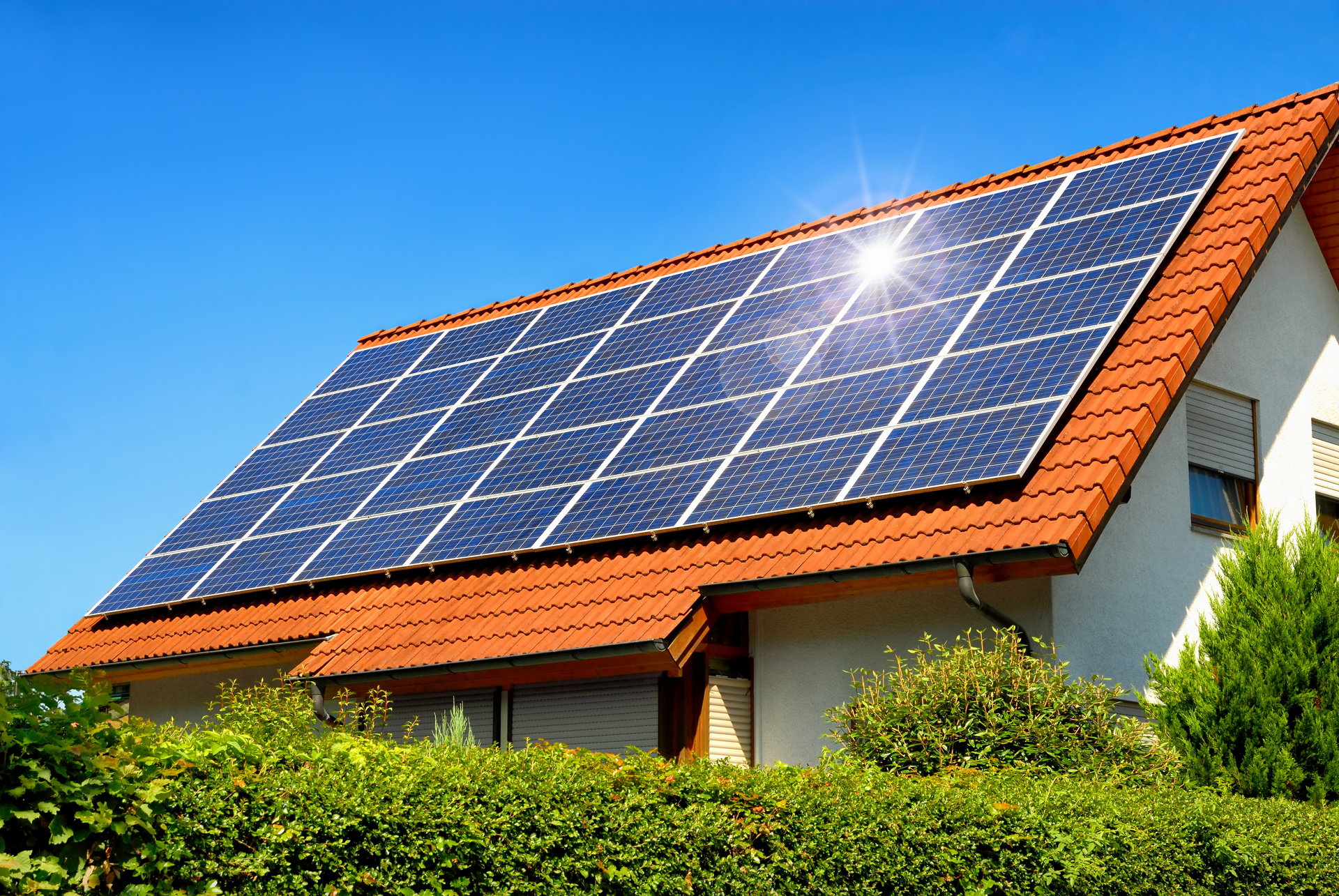
Picture planting a seed in rocky soil and expecting a rewarding tree. That's what photovoltaic panel installation feels like when done without precision. The angle and orientation of your panels can make or break the energy harvest. Panels angled improperly may bask in sunlight, however they won't convert it efficiently.
South-facing roofings normally soak up the most sun in the northern hemisphere, but what about roofing systems that deal with east or west? Tilt changes can compensate, but not completely. The difference between 15 degrees and 30 degrees tilt can easily translate into a 10-15% drop in yearly output.
Pro suggestion: When installing, prevent shadows cast by chimneys, trees, and even surrounding structures. Just a little shadow on one cell can decrease the entire panel's output considerably. Keep in mind, solar cells resemble dominoes; if one falls, the rest follow.
Secret Setup Elements Impacting Efficiency
- Panel Orientation: South-facing is optimum in numerous regions however think about geographical specifics.
- Tilt Angle: Adjust seasonally or repair at the average optimum angle for your latitude.
- Shading: Even intermittent shadows can trigger out of proportion energy loss.
- Roof Material: Reflective surfaces can increase panel temperatures, lowering efficiency.
- Ventilation: Panels perform best when air flows underneath, avoiding overheating.
Efficiency Factors: Beyond the Surface
Heat is a sneaky burglar. Heats break down photovoltaic performance. Panels ranked at 25 ° C can lose 0.5% effectiveness per degree Local Solar Panel Installers above that. In scorching summertimes, that theft builds up, making a shaded however cooler panel exceed a hotter, "completely lit" one.
Ever noticed how a newly set up selection seems to hum with guarantee however slowly dips in output? Dust and gunk do their part, however so does intrinsic destruction. Panels lose about 0.5% to 1% efficiency annually, a subtle decline that compounds calmly.
Advanced Tips for Optimizing Performance
- Microinverters: Use these to ensure that shading or breakdown in one panel doesn't drag down the entire system.
- Bypass Diodes: They assist keep output by separating shaded or broken cells within a panel.
- Routine Tracking: Track output daily to catch dips triggered by unexpected elements like bird droppings or debris.
- Optimize Wiring: Thicker cables decrease resistance loss, particularly in larger systems.
| Factor | Impact on Effectiveness | Expert Suggestion |
|---|---|---|
| Panel Temperature level | 0.5% effectiveness loss per ° C above 25 ° C | Set up panels with airflow below for cooling |
| Shading | Approximately 80% output reduction from partial shading | Trim surrounding foliage regularly |
| Orientation & & Tilt | 10-15% annual output variation | Change tilt seasonally if possible |
| Circuitry Resistance | 2-5% energy loss in badly sized cables | Usage appropriately determined cables |
Environmental Effect and Benefits of Solar Panels
Have you ever paused to think about how the sunshine captured on your rooftop transforms into tidy, eco-friendly energy!.?. !? Photovoltaic panel act like quiet guardians against the ruthless march of carbon emissions, turning photons into power without a whisper of pollution. The ecological footprint of solar innovation is staggeringly lighter compared to nonrenewable fuel sources, but it's not without its complexities.
One typically neglected element is the life cycle analysis of solar panels-- from basic material extraction to end-of-life disposal. Mining for silicon and unusual metals can stir environmental ripples, yet advances in recycling innovations promise to close the loop better than ever in the past. Envision a future where photovoltaic panel waste becomes the raw product for the next generation of cells-- circular and sustainable.
Secret Environmental Advantages
- Reduction in greenhouse gases: Photovoltaic panel produce zero emissions throughout operation, dramatically cutting the carbon footprint of electrical power generation.
- Water preservation: Unlike traditional power plants, solar panels require very little water, relieving stress on marine environments.
- Air quality enhancement: By displacing coal and natural gas plants, solar power reduces damaging pollutants that contribute to smog and respiratory illnesses.
- Land use performance: Integration of photovoltaic panels on rooftops and urban areas lessens interruption to natural habitats.
Unanticipated Insights
Did you understand that the energy payback time for contemporary solar panels has diminished drastically? Early designs required years to balance out the energy invested in their manufacture. Today, some panels break even in under two years, a testimony to leaps in manufacturing efficiency. This suggests the ecological "cost" is paid back quicker, leaving decades of tidy energy ahead.
Identifying the environmental trade-offs needs a nuanced eye. The use of hazardous chemicals during production demands rigid controls-- overlooked in popular narratives however vital to sustainable release. What if we utilized bioplastics or natural photovoltaics to soften this impact further? The horizon is broad open for development.
Tips for Maximizing Environmental Benefits
- Decide for panels with high-efficiency rankings to create more power per square meter, decreasing product use.
- Think about the positioning and angle thoroughly-- shadowing and dirt build-up can quietly wear down environmental gains by reducing output.
- Engage with accredited recyclers who concentrate on solar elements to make sure accountable end-of-life handling.
- Track and optimize your system's performance with clever tracking tools to catch dips in efficiency early.
| Ecological Element | Solar Panels | Coal Power Plants |
|---|---|---|
|
CO. 2Emissions. |
Near absolutely no functional emissions | High emissions per kWh created |
| Water Usage | Minimal water utilize | Significant water usage for cooling |
| Land Impact | Low, particularly on rooftops | High, typically needing mining and garbage disposal |
| Waste Generation | Recyclable components increasing | Toxic by-products requiring disposal |